Overview
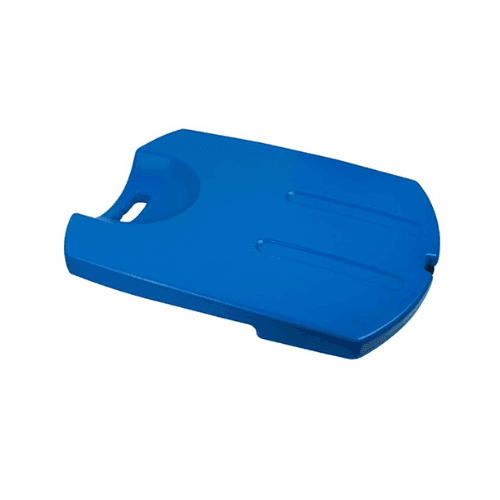
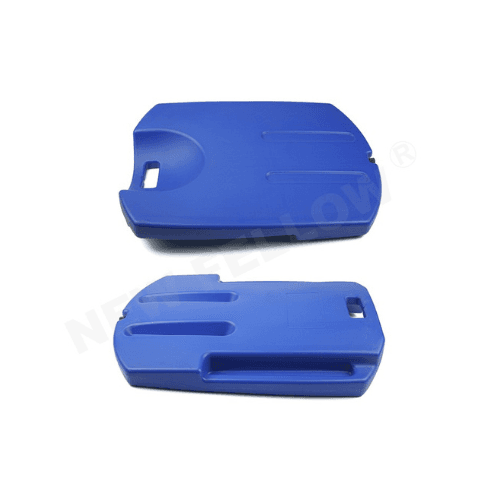
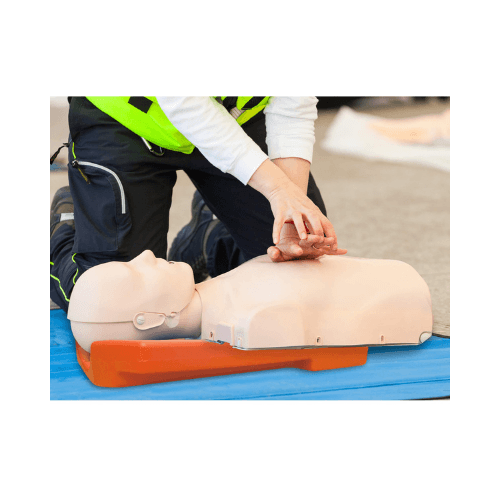
The CPR Board is a rigid medical board placed under a patient during cardiopulmonary resuscitation to provide a firm, stable surface. It is used in hospitals, ambulances, emergency departments, medical training centers, and clinics to support effective and safe chest compressions, stabilize the patient, and maintain appropriate body positioning, reducing force loss associated with soft mattresses and beds. CPR is typically performed on a firm surface; using a CPR board or other hard surface helps improve compression effectiveness.
Functions
- Stable surface for chest compressions
- Back support during resuscitation
- Helps maintain an open airway
- Assists with patient positioning
- Improves CPR effectiveness
Applications
- Hospitals and intensive care
- Ambulances and EMS
- Emergency departments
- Civil defense and ambulance services
- Red Crescent
- Medical training centers and CPR training
- First-aid centers
- Clinics
Features
- Rigid surface to minimize energy loss on soft beds and mattresses
- Medical design that supports the head and body to help maintain airway patency and resuscitation posture
- Made from durable, high-strength medical plastic for intensive use in emergency settings
- Moisture-resistant surface that is easy to clean and disinfect
- Lightweight and easy to carry for rapid use in ambulances, emergency rooms, medical bags, and training environments
Benefits during CPR
- Improves the quality of chest compressions
- Enhances CPR efficiency
- Stabilizes the patient during emergencies
- Facilitates responder workflow
- Supports airway management
- Reduces unwanted movement during CPR
Specifications
- Product: Cardiopulmonary resuscitation board
- English name: CPR Board
- Intended use: Resuscitation and emergency support
- Material: High-durability medical plastic
- Typical settings: Hospitals, ambulance services, and medical training
- Properties: Lightweight; easy to clean and disinfect