Overview
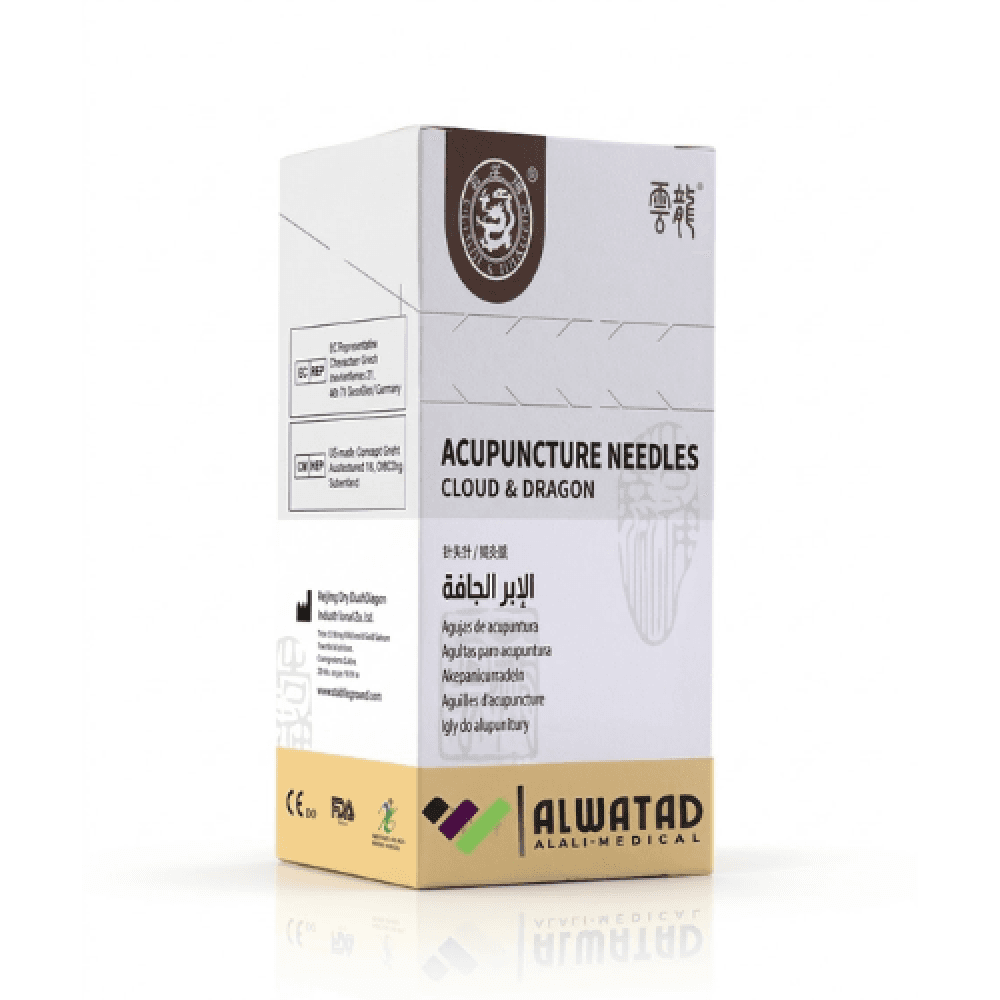
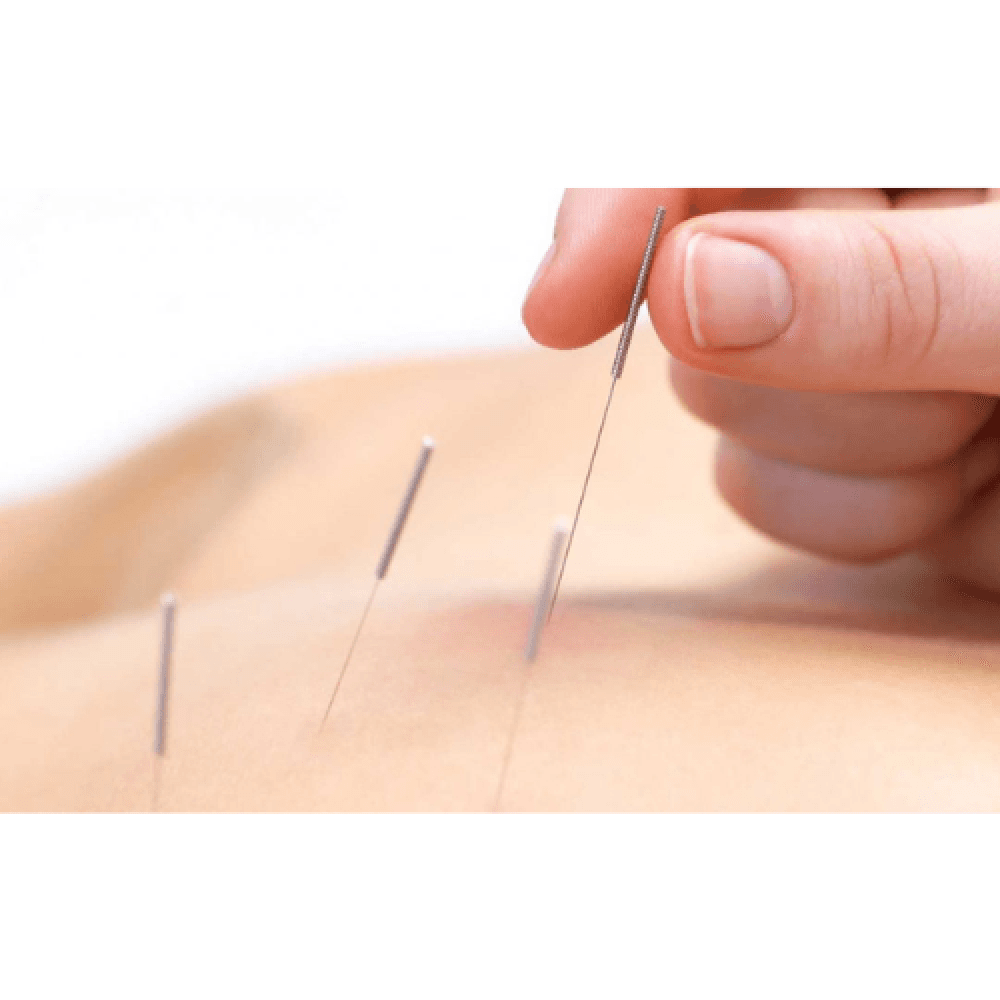
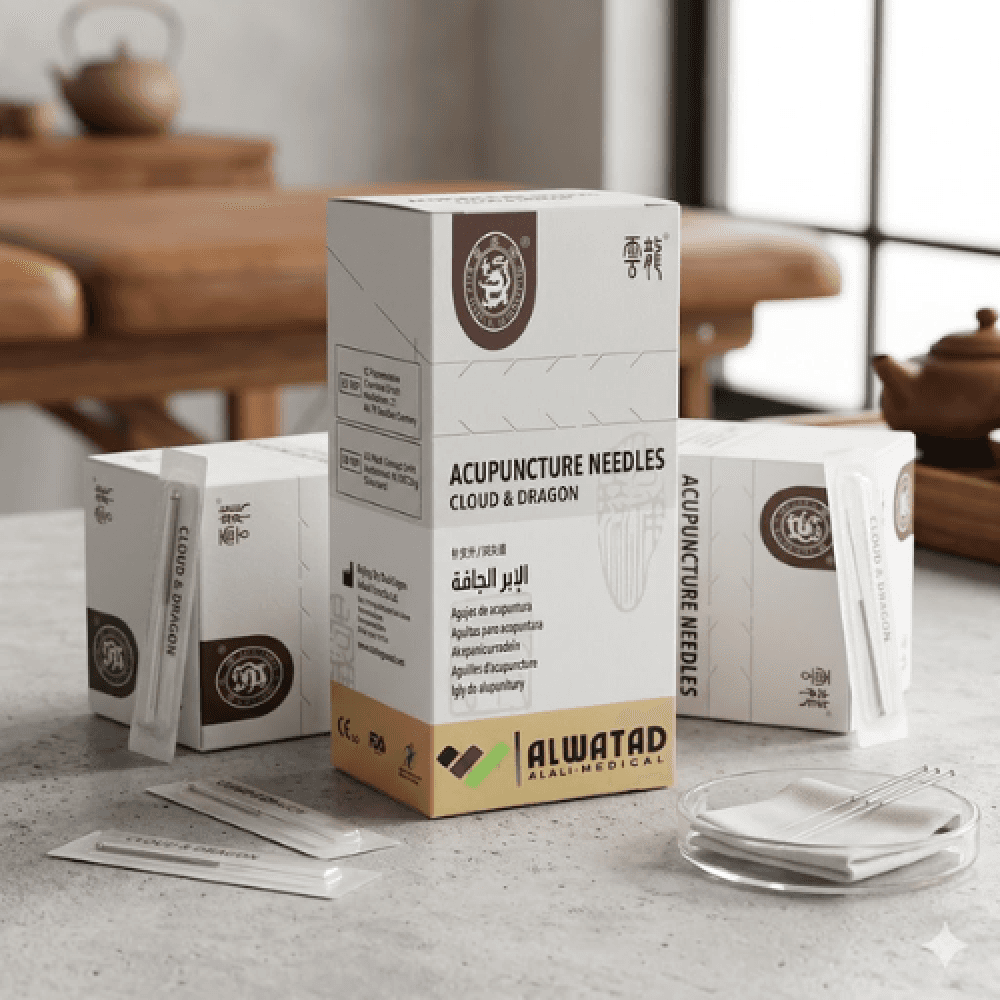
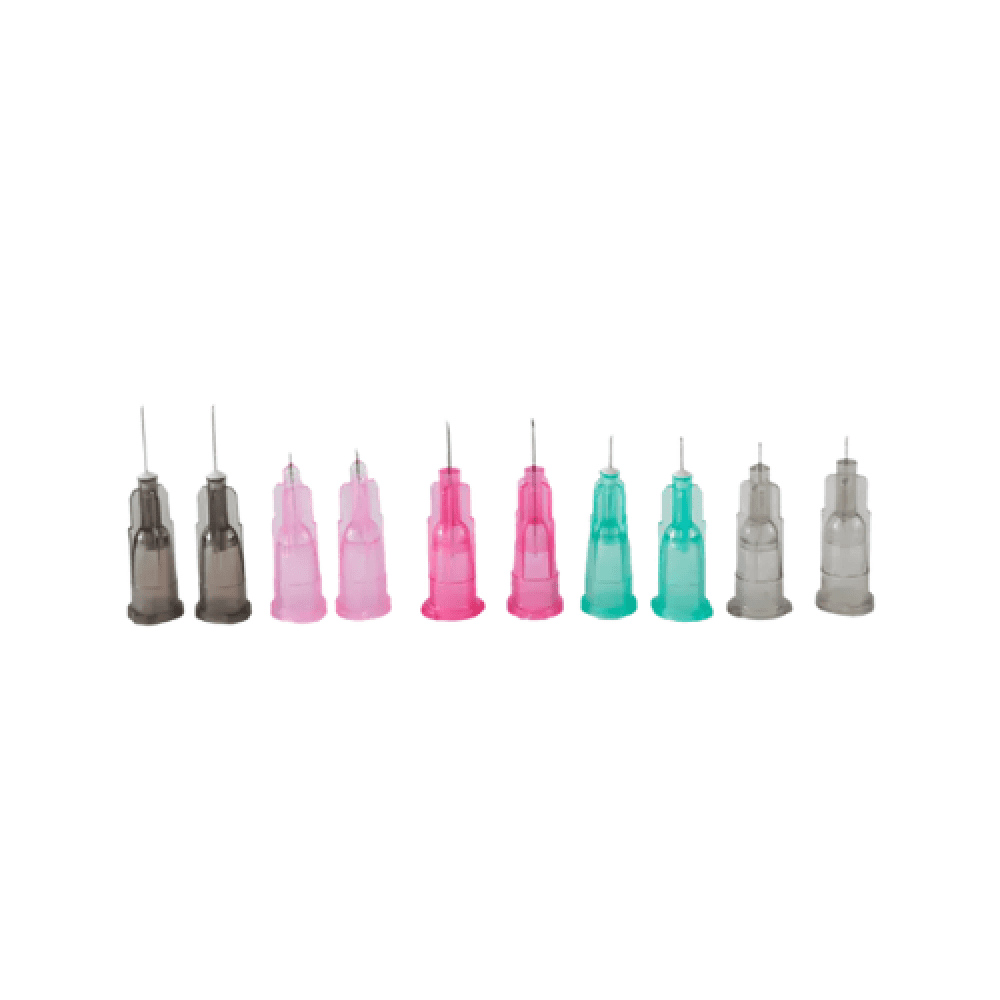
Sterile dry needling needles for professional clinical use in physical therapy and sports rehabilitation. These fine needles are used to target myofascial trigger points to help reduce muscle tension and pain and to support improved mobility. Each needle is supplied with its own guide tube to assist accurate placement. Multiple sizes are available to suit different treatment areas.
Dry needling technique
- Helps relieve muscle tightness
- Supports improved local blood flow
- Aims to reduce chronic muscle pain
- Assists in increasing muscle flexibility
- Supports improved movement and muscular performance
- Used to aid sports rehabilitation
Applications
- Neck and shoulder pain
- Muscle tightness and spasm
- Low back pain
- Sports injuries
- Muscle inflammation (myositis)
- Muscle-related joint pain
- Physical therapy and sports rehabilitation
Specifications
- Fine, sterile dry needling needles
- Each needle includes a guide tube for precise application
- Intended for professional clinical use
- Designed for comfortable clinical handling
- Available in multiple sizes
- Box of 100 needles (20 packs × 5 needles per pack)
- Approved by the Saudi Food and Drug Authority (SFDA)
Muscle groups commonly targeted
- Gluteus maximus
- Hamstrings
- Quadriceps
Suitable settings
- Physiotherapy centers
- Sports medicine clinics
- Licensed physical therapists
- Medical rehabilitation centers
- Sports therapy units
- Muscle rehabilitation clinics
Common questions
- Pain sensation: patients may experience a brief, mild prick that varies by area and individual.
- Use with athletes: commonly used in sports physical therapy to support recovery.
- Dry needling vs. acupuncture: dry needling targets muscular trigger points based on anatomy, while acupuncture is based on traditional Chinese medicine.
- Effect on muscle tightness: used to help reduce muscle tightness and improve relaxation.
- Clinical suitability: appropriate for use in physiotherapy and sports rehabilitation clinics.